
Advancing the social web with open standards

Open standards like ActivityPub power the Open Social Web. If you are a developer, implement ActivityPub to make it possible for your users to join the Open Social Web (aka “the Fediverse”).
Ready to connect your platform to the Open Social Web?
For the authoritative documentation on implementing ActivityPub, see W3C’s official documentation.
Three Dimensions
Wondering what implementation actually unlocks for your platform and your users? Open standards can be understood across three dimensions.
Interoperability
Once a platform implements ActivityPub, its users can interact across the Open Social Web without needing accounts elsewhere. Specifically, users can:
Publish across platforms:
A user’s profile is addressable and discoverable across the Open Social Web. When they publish content, followers on any ActivityPub-enabled platform receive it in their feed via the ActivityPub delivery mechanism.
Monitor feedback:
Likes, shares, and replies federate back to the original server, so users can see and respond to engagement from users on other platforms directly from their own.
Follow across servers:
Users can follow accounts on any ActivityPub-enabled platform. Content from those accounts is delivered to their home server as it is published.
Participate in distributed conversations:
Users can like, share, or reply to content that originated on another server. Those interactions federate outward, and users can see the broader thread of responses from both their own platform and others.
Portability
Identity on the Open Social Web is server-agnostic. Rather than being locked into a single platform, users can carry what they’ve built with them. They can move their profiles and content between platforms. Specifically, users can:
Migrate their account:
Users can migrate their account from one ActivityPub-compatible server to another, taking their follower relationships, following lists, and profile data with them. Depending on the platform’s implementation, content such as posts and media may also be exportable and re-importable, reducing dependence on any single operator.
Governance
Organizations and communities can shape their own rules and norms. Because each instance in the Open Social Web operates independently, governance decisions are made at the server level rather than by a single platform authority. Specifically, users can:
Own a server instance:
Any organization or individual can run their own ActivityPub-compatible server, setting its own policies, terms of service, and community standards. The instance operator controls what software it runs, how it federates with other servers, and who can join.
Procure moderation at the server level:
Instance operators can enforce moderation policies independently. Removing content, suspending accounts, or defederating from other servers entirely. This means moderation is not dependent on a centralized platform’s decisions; communities can apply standards appropriate to their own context.
Block content from their own feed:
Both instance operators and individual users have controls over what content reaches them. Operators can silence or block entire remote servers, preventing their content from federating in. Users can block or mute individual accounts across the fediverse, regardless of which server those accounts are on.
Resources
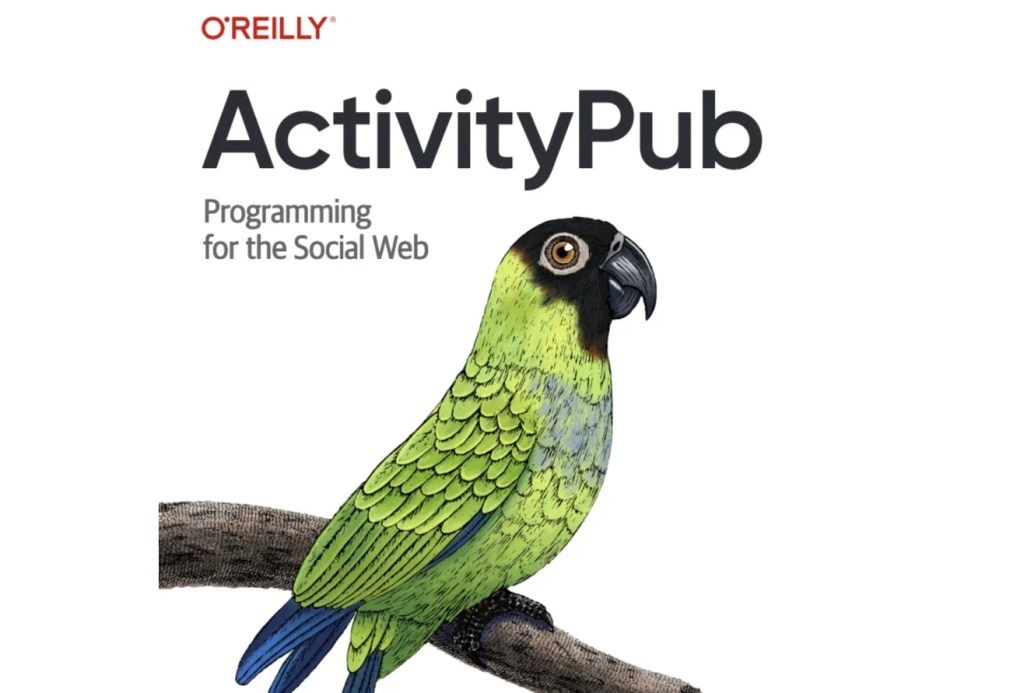
Programming for the Social Web
Evan Prodromou’s O’Reilly book on building for the Open Social Web with ActivityPub.

W3C’s Official ActivityPub Documentation
The W3C Recommendation that defines the ActivityPub protocol, its client-to-server and server-to-server APIs.
Projects we are working on


Why Open Standards Matter
01
Network Effects From Day One
You can interact with the tens of millions of accounts already active across “the Fediverse” without needing accounts on every platform.
02
Open Markets Drive Innovation
Become part of an open ecosystem free from monopolization, where big and small platforms can exist side by side in harmony.
03
Decentralized Software is the Future
Decentralized networks offer a more resilient, people-owned foundation for how we communicate, share, and build online.